
Dos and Don'ts of Cockroach Removal
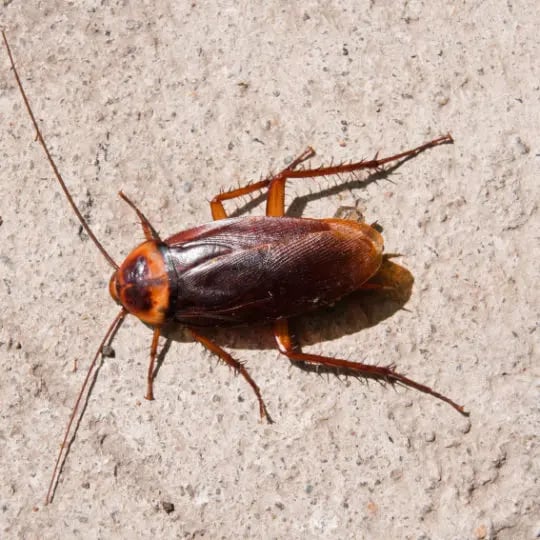
Cockroach control in Pennsylvania is practically an art form. These invasive pests can grow very problematic, very quickly, and as the saying goes: once you see one cockroach inside your home, there are hundreds more that you haven’t yet seen.
That means that you have to be careful with how you kill and remove cockroaches. The best solution is to call a cockroach control company like Green Pest Solutions to handle the project for you, in order to ensure you’re able to stay cockroach free.
What to Do and What Not to Do
Do: Identify the type(s) of cockroaches. While all cockroaches respond to similar treatments, the type of cockroach tells you what to expect and how significant an effort you need to provide to eliminate them. Our guide to the five cockroach species found in Pennsylvania walks through what each one looks like.
Don’t: Flush cockroaches down the toilet. Cockroaches can hold their breath for 30 to 40 minutes and will survive being submerged in water. You could be spreading cockroaches, or possibly giving someone an unpleasant toilet surprise.
Do: Clean your home completely. Less food, water, and places to hide will always mean less cockroaches, even if they have already entered your home.
Don’t: Assume baits are enough. Baits are great for killing cockroaches, but baits will only be effective if access to other food is reduced. The more cockroaches have access to your food, the less baits will be effective at keeping them away.
Do: Seal every possible entrance. Remember, most cockroaches live outdoors and come inside to eat. If they can’t get inside, they can’t take your food.
Don’t: Overuse Boric Acid, or other at home treatments. Boric acid is an example of do it yourself cockroach control that can have some benefits, but overusing boric acid or using it incorrectly will make it ineffective, and it’s not a good strategy for long term cockroach control. Consider boric acid as a do-it-yourself treatment, but don’t depend on it or using it haphazardly.
Can You Flush a Cockroach Down the Toilet?
You can, but it usually doesn’t do what you want it to do. A cockroach breathes through small openings along the sides of its body called spiracles, and it can close them and hold its breath for roughly 30 to 40 minutes. A trip down your drain line takes seconds, so the roach often arrives alive and keeps walking. It can also climb back; American and Oriental cockroaches are already at home in sewer and drain lines. And a cockroach egg case is a hard, water-resistant capsule holding 30 to 40 eggs, so flushing one accomplishes almost nothing.
Find your situation
What should I do with this roach?
Click the row that matches what you found. Two quick questions.
Step 1: Is it alive or dead?
It’s alive, it’s moving
Don’t flush it. Vacuum it.
Flushing a live cockroach usually doesn’t kill it. It holds its breath for roughly 30 to 40 minutes, survives the trip down the drain, and can climb back.
- Use a vacuum with a disposable bag, or a shop vac.
- Seal the bag and put it in an outdoor trash can immediately.
- Wipe the area — roaches leave scent trails that attract others.
It’s dead, it hasn’t moved at all
Bag it and take it outside.
Flushing works on a dead roach, but roach bodies and droppings are a known asthma and allergy trigger. You want it out of the house, not sitting in a bin indoors.
- Pick it up with a paper towel and seal it in a bag.
- Put the bag in an outdoor trash can.
- Before you toss it, note the size, color, and whether it had wings — that identifies the species.
- Wash your hands and wipe the surface.
I can’t tell if it’s alive
Treat it as alive.
A motionless roach is often not a dead one. Cockroaches play dead, and a roach on its back can right itself and run.
- Vacuum it with a disposable bag rather than picking it up.
- Seal the bag and put it in an outdoor trash can right away.
- Don’t crush it — a female may be carrying an egg case holding 30 to 40 eggs.
Step 2: What does the sighting mean?
It’s the first one I’ve seen
One roach doesn’t always mean an infestation — several species live outdoors and wander in through a gap under a door. But it does mean you have an entry point. Check door sweeps, window seals, and gaps around pipes under sinks. If you see a second one, stop treating it as a coincidence.
I found it in the kitchen or bathroom
These are the two most common first-sighting spots, and the reason is usually water rather than food. Check for a slow leak under the sink, and run water in any drain you rarely use — a dry P-trap loses its water seal and opens a path straight from the sewer line into the room.
I’ve seen several, or one in daylight
This reads as an established infestation. Cockroaches are nocturnal, so multiple sightings — or any daytime sighting — generally mean the hiding spots are overcrowded. DIY products won’t reach the harborage at this stage, and foggers make it worse by scattering the population into wall voids. This is the point to get an inspection.
It’s small and wingless
That’s a nymph, and it’s the important find. Nymphs can’t travel far, so finding one means roaches are breeding inside your home rather than wandering in from outside. German cockroach nymphs are dark brown to nearly black with a lighter stripe down the back. Expect an established population and plan on professional treatment.
Can Cockroaches Come Up Through the Drain?
Yes, and it’s more common than most homeowners expect. Every drain has a trap, a curved section of pipe holding standing water that blocks sewer gas and pests. When a trap dries out, that barrier disappears. A guest bathroom, basement floor drain, or laundry sink left unused for weeks loses its water seal to evaporation, opening a path from the sewer line into the room. That’s why a roach in the bathroom is so often the first sign of trouble.
- Run water in every rarely-used drain once or twice a month to keep the trap full.
- Repair leaking pipes and fixtures, standing moisture attracts roaches more than food does.
- Seal gaps around pipe penetrations under sinks and behind toilets.
How to Tell What You’re Dealing With
Baby cockroaches are the find that matters. A nymph is a small, wingless version of an adult. German cockroach nymphs are dark brown to nearly black with a lighter stripe down the back; adults are light brown with two dark parallel stripes behind the head. Because nymphs can’t travel far, seeing one means roaches are breeding inside your home rather than wandering in. Our guide to German cockroaches covers the species in detail.
Signs of an active infestation:
- Droppings. Small species leave specks like ground pepper. Larger species leave cylindrical droppings with blunt ends and ridged sides.
- Egg cases. Brown, purse-shaped capsules in cracks, behind appliances, or under sinks.
- Odor. A musty, oily smell that strengthens as the population grows.
- Smear marks. Dark, irregular streaks on walls or baseboards in damp areas.
- Daytime sightings. Roaches are nocturnal. Seeing one in daylight usually means the hiding spots are overcrowded.
If you’re weighing the health side as well as the nuisance, see are cockroaches dangerous?
Two DIY Methods That Waste Your Time
Baking soda and sugar. A popular internet remedy with no reliable evidence behind it. It will not clear an infestation.
Total-release foggers, or “bug bombs.” Actively counterproductive. Fogger residue rarely reaches the cracks where roaches live, and it scatters the population deeper into wall voids and adjacent rooms.
What does work: eliminating water sources, deep cleaning behind appliances, sealing entry points, and patient use of gel bait. A homemade trap is useful for gauging how large the population is and where it’s concentrated. And no, an infestation won’t resolve just because you stop leaving food out — roaches survive on crumbs, grease film, cardboard, and pet food. Here’s why cockroaches don’t leave on their own.
Clearing Your Home of Cockroaches
There are many components to effective roach control. While there are some moderately effective do it yourself methods, the best solution is to depend on a trained cockroach control company that knows how to effectively manage cockroach problems. If you’ve already tried the DIY route and roaches keep reappearing, that’s a signal the population is established somewhere you can’t reach. Green Pest Solutions provides family-friendly cockroach extermination across Pennsylvania, New Jersey, and Delaware. Request a free estimate and we’ll identify the species, find the harborage, and build a treatment plan around it.
Cockroach Removal FAQs
Can you flush a cockroach down the toilet?
You can, but it often won’t kill it. Cockroaches can hold their breath for 30 to 40 minutes and survive submersion, so a flushed roach frequently survives the trip and can climb back through the drain. Vacuum live roaches with a disposable bag, or seal dead ones in a bag and put them in outdoor trash.
How long can a cockroach survive underwater?
Roughly 30 minutes fully submerged, and a cockroach can hold its breath for up to about 40 minutes. Cockroaches breathe through spiracles along the sides of the body rather than through the mouth, and they can close those openings when submerged.
Can cockroaches climb up out of a toilet?
Yes. Cockroaches are strong climbers and can move through drain lines, particularly American and Oriental cockroaches. The most common route into a home is a drain whose trap has dried out from disuse, which removes the water barrier that normally blocks them.
What do baby cockroaches look like?
Baby cockroaches, called nymphs, look like smaller wingless adults. German cockroach nymphs are dark brown to nearly black with a lighter stripe down the back. Finding nymphs means the roaches are reproducing inside your home rather than wandering in from outdoors.
Does baking soda kill roaches?
There is no reliable evidence that baking soda mixed with sugar kills cockroaches, and it will not clear an infestation. Properly placed gel bait, moisture control, sanitation, and exclusion are the methods that actually reduce a population.
How do I know if I have a cockroach infestation?
Look for droppings that resemble pepper specks or coffee grounds, brown purse-shaped egg cases in cracks and behind appliances, a musty oily odor, dark smear marks in damp areas, and roaches active during daylight hours. Any of these points to an established population rather than a single stray roach.
Do cockroaches bite?
Cockroach bites are very rare, and cockroaches are not aggressive toward people. The greater concern is allergens and bacteria carried on their bodies and in their droppings. See our full answer on whether cockroaches bite.